How to Use Crosshair in Art Sketch Techniques Beginners
20 meridian sketching tips to help drag your skills
Working a handful of useful sketching tips and tricks into your creative workflow will accept rewarding results for you lot and your sketchbook. Nosotros know the pain of staring down at a blank folio and non knowing where to outset, with even the roughest of sketches feeling completely out of reach. So we accept gathered lots of helpful sketching tips from a wealth of skillful artists to help you get those first marks on the page.
Nosotros have a number of tips for both beginners and more avant-garde artists. Our range of pointers volition assist you with everything from your pencils to shading, silhouettes to smudging and more. While covering the technical side of sketching, we've some tips on how to become inspired, because we know that finding inspiration can sometimes exist the hardest part. Either manner, we should have a few tips to help everyone on their sketching journeys.
If you're new to the wonderful world of sketching or are just looking to update your current sketching kit, so have a wait at our guide to the best pencils and best sketchbooks and treat yourself to some new gear.
Click the icons in the top correct of the pictures to enlarge them.
Sketching Tips
01. Know your pencils
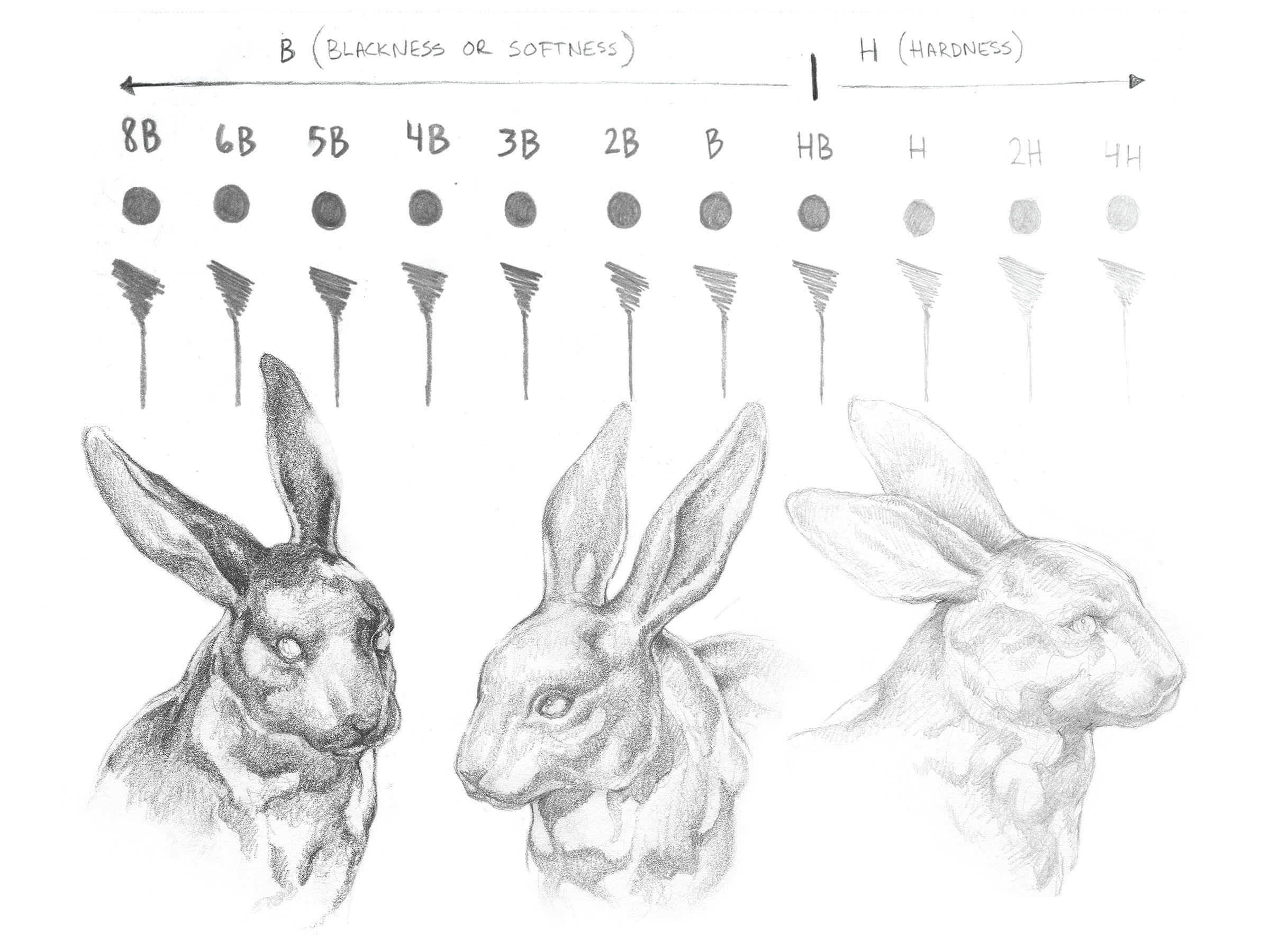
Having the right pencil to begin drawing your pencil sketch is one of the near essential sketching tips. The hardness of the graphite is indicated on the side of the pencil: 'B' pencils are softer, 'H' are harder, and 'HB' sits in the center – there's a large divergence between a 4H and a 4B. "I recommend starting somewhere on the H scale as a foundation and then finishing with the darker B calibration," says travelling convention artist Tim Von Rueden.
When you lot're learning how to draw, it's also worth considering using mechanical pencils alongside traditional ones. "Mechanical pencils are commonly better suited for precision, while traditional pencils are nifty for laying downwards big areas of texture," says Von Rueden. "Keep in heed that most mechanical pencils come with HB pre-inserted, which gives you only the heart range to work with."
Meet the best mechanical pencils here.
02. Take command of your pencil
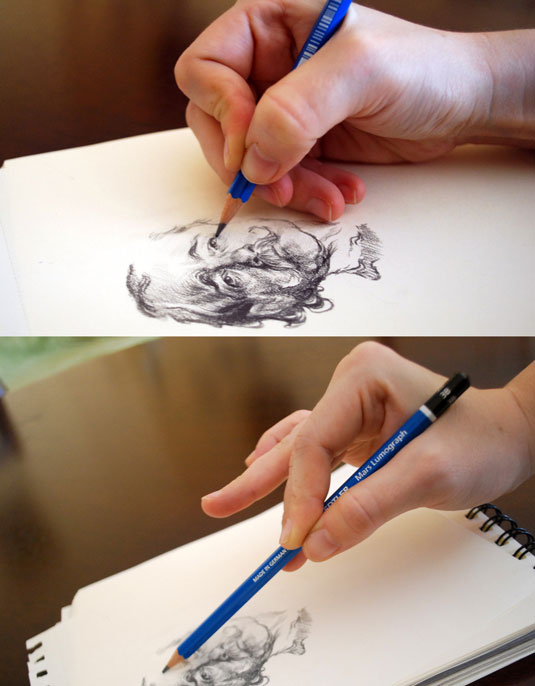
"If you position your hand closer to the finish of the pencil, you have more than command and precision, but heavier strokes (darker markings)," says illustrator Sylwia Bomba. "Gripping further up the pencil will give you less control and precision, but lighter strokes (lighter markings)."
For more advice, read our article on how to agree a pencil correctly.
03. Endeavor dissimilar mark-making methods
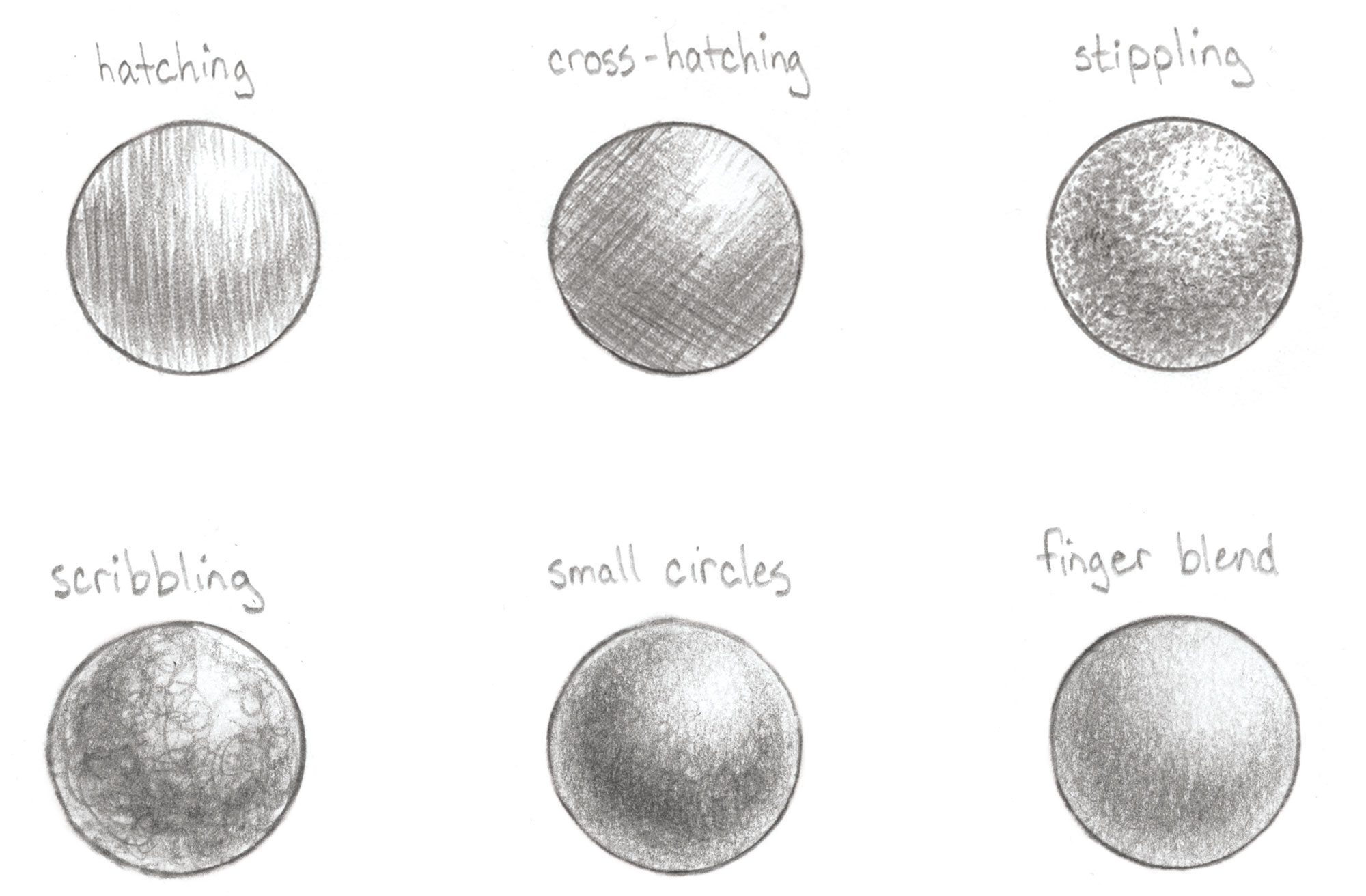
In that location are plenty of sketching tips and techniques to aid yous achieve different styles and effects. Above are some examples demonstrating different ways to create form and depth. "It's of import to experiment and notice what works best for you, to not only complement just enhance your style," explains Von Rueden. "While I adopt smoother value transitions with the pencil strokes blending in against a sparse outline, you may exist more than partial to cross-hatching confronting a bold outline."
04. Vary your lines

Apply varied lines, says illustrator Rovina Cai. "Not all lines are equal. Subtle shifts in the width and darkness of your lines volition create a dynamic, visually interesting drawing. Controlling the kind of mark you put down can be tricky in the outset, but with exercise you will be able to create a diversity of marks that work together to make a cohesive image. Experiment with unlike pencil grades (from 3H to 6B) and with holding the pencil at different angles."
05. Avoid smudging
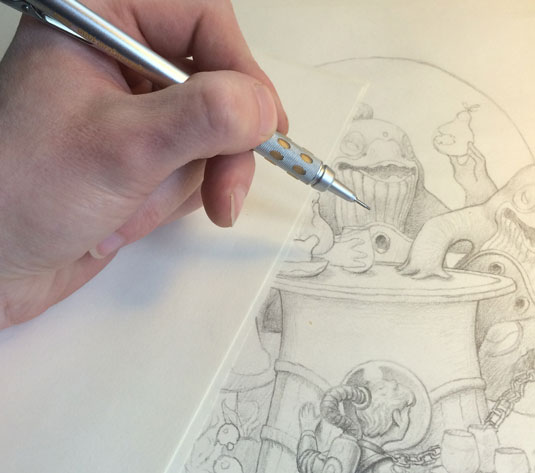
"When shading, use an extra slice of newspaper underneath your hand," advises artist Brun Croes. "This will minimise the amount your hand smudges your pencil lines. If you're right-handed, start shading from left to right; if you're left-handed, first at the right and move to the left.
"At that place's zilch more frustrating than trying to make a clean-looking drawing that loses its luminescence and value thanks to smudging. Instead, employ smudging to your advantage every now and so to shine out shading. Yous tin exercise this with several tools. I apply a simple piece of tissue paper to go the task done."
06. Command your edges
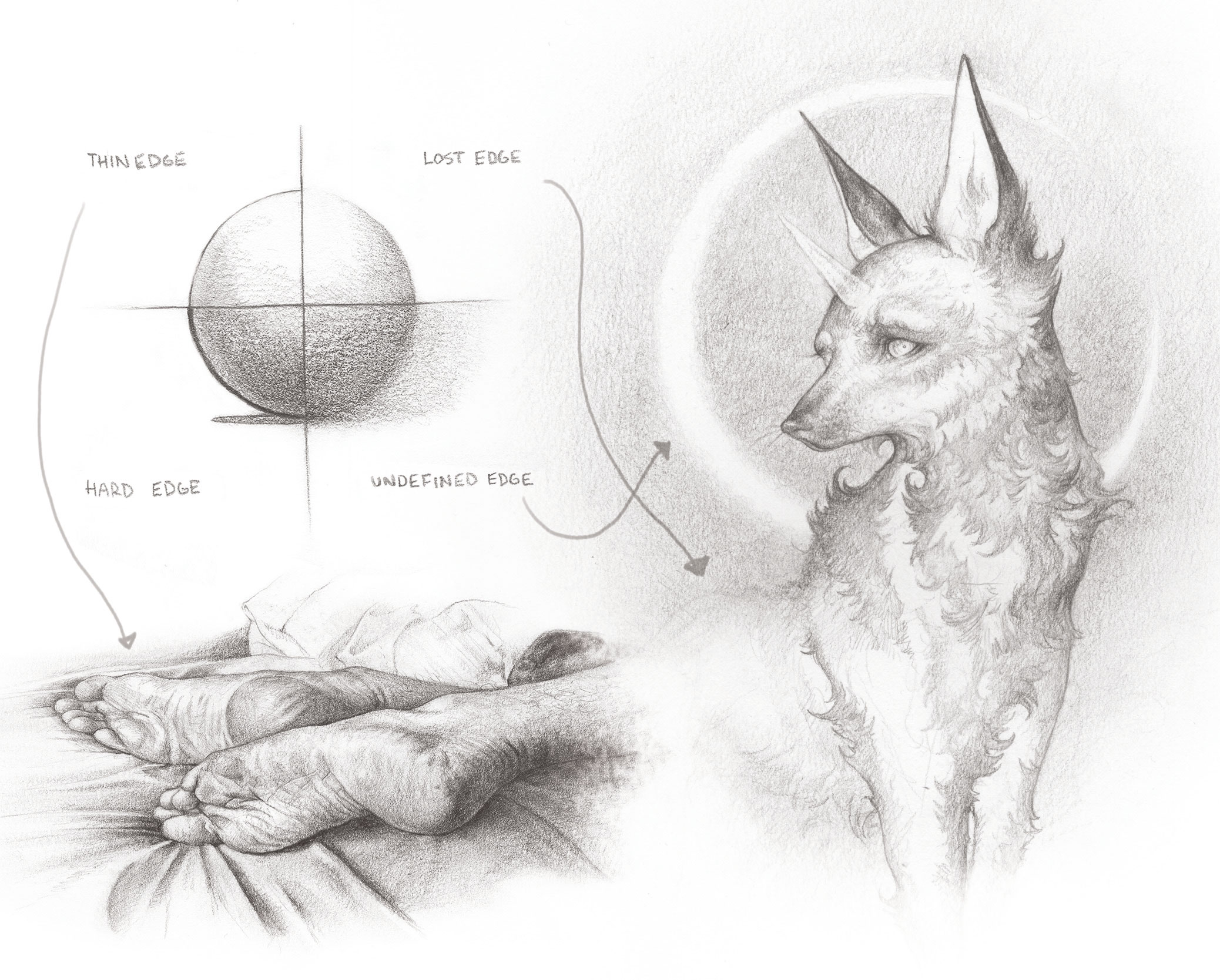
Von Rueden uses four different sketching techniques to define object edges: thin, difficult, lost and undefined. A thin and difficult edges give objects solid borders. Lost edges occur when the object and background values start to alloy together, so the edge is implied rather than defined. Undefined edges need to be deciphered by the viewer themselves. He suggests exploring all four types, and combining them to create interest inside your piece of work.
07. Employ a blending stick for polish shading
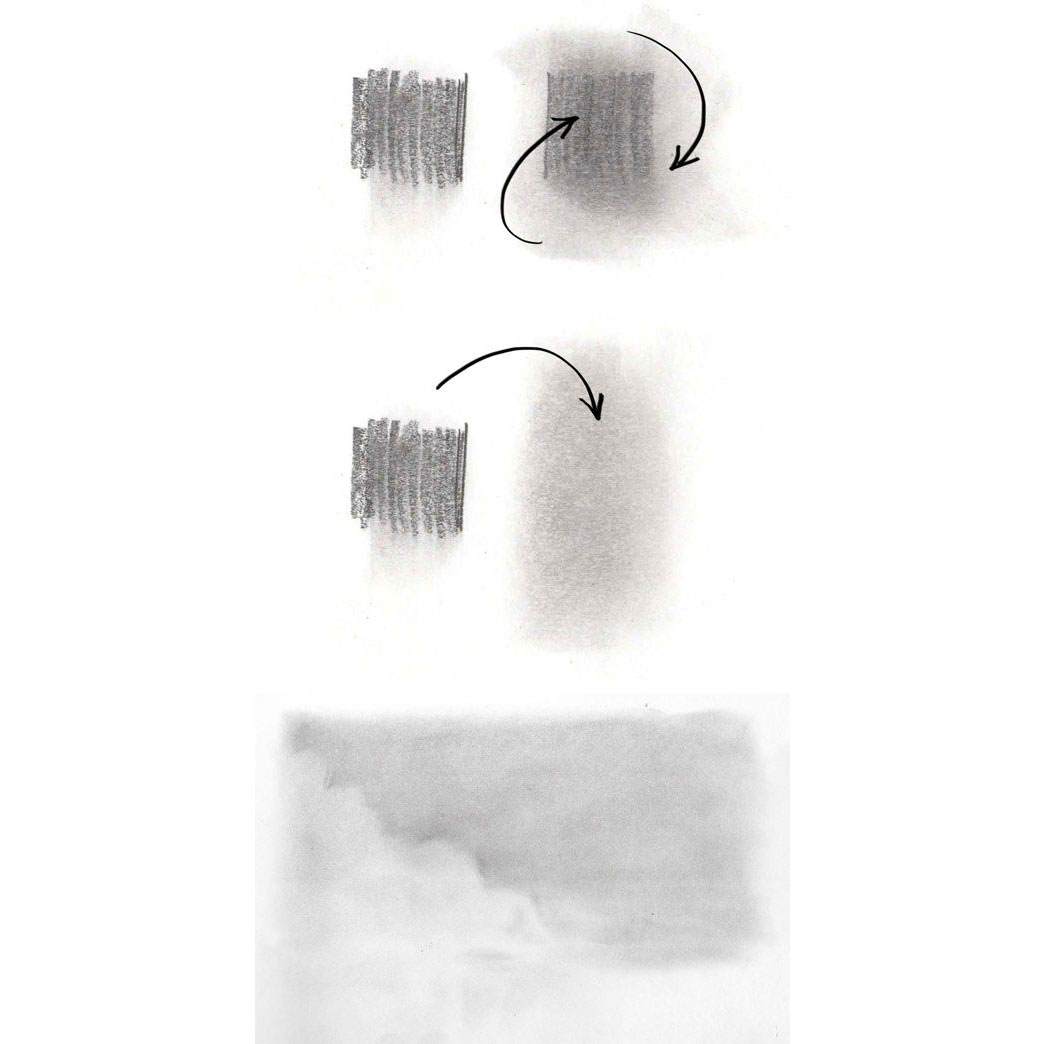
Information technology is possible to create smooth, composite effects using pencils – for example, to capture a heaven. "Sometimes it'south preferable for your shading to exist less sketchy and more polish and subtle," says artist Marisa Lewis. "Pencil lines don't blend perfectly unless you're very conscientious."
To avoid your initial scribbles showing through, Lewis uses a particular technique – see more fine art techniques here. "Use spare paper to putter a large swatch of soft graphite or charcoal pencil, then use a large blending stick to selection up the soft grit to apply for your paradigm," she explains. "Go along using the blending stick and adding more than scribbles as you need more graphite." You lot tin can then build up darker areas to create definition.
08. Use the lxx/thirty dominion
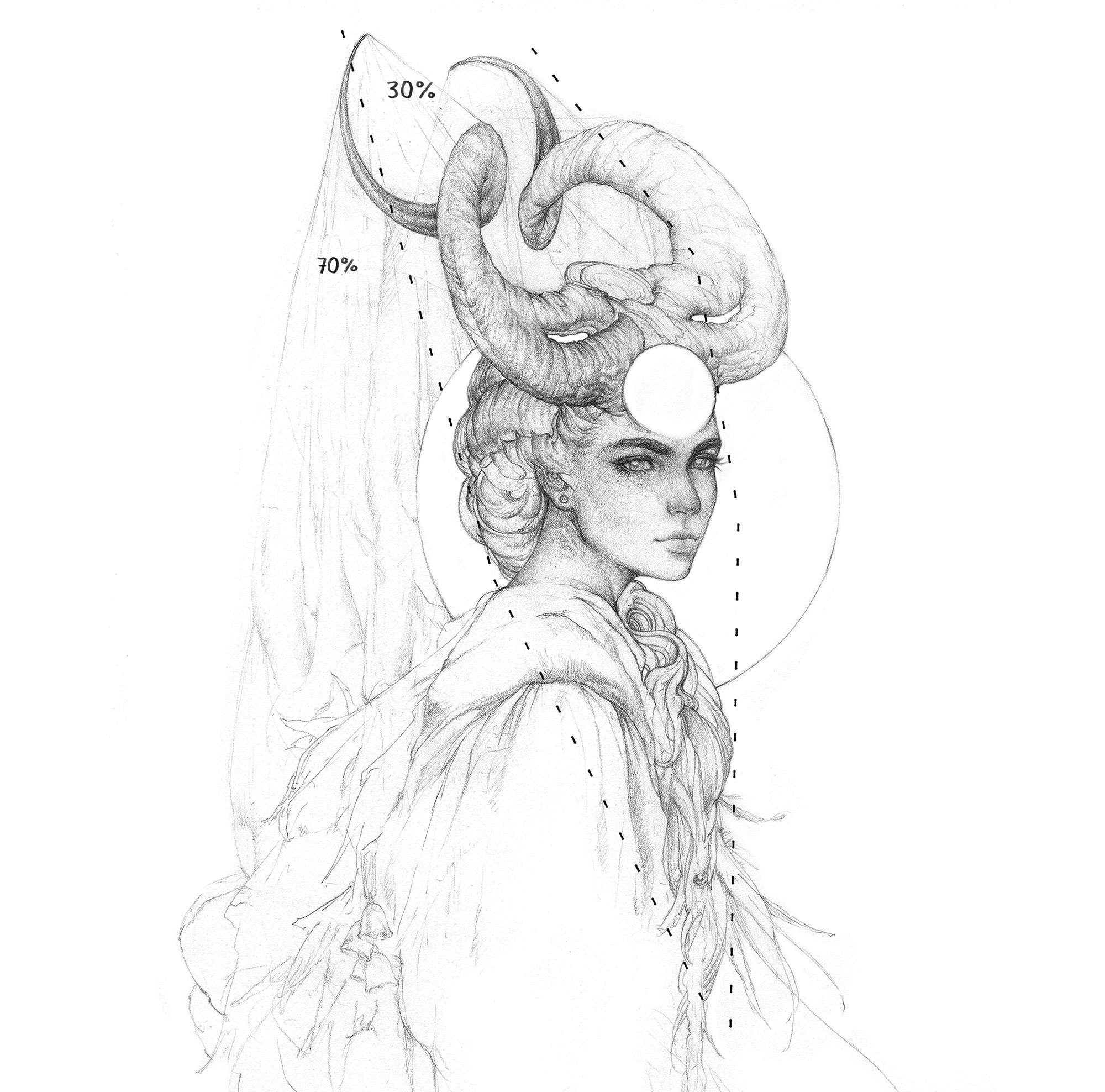
I of the well-nigh vital sketching tips is that less tin be more than! The lxx/30 rule helps you create effective compositions. The idea is that 30 per cent of your sketch is filled with the main focus and particular, and the remaining lxx per cent is filler. This less interesting area helps direct attention towards the chief subject of your artwork. Yous can see the rule in action in Von Rueden's sketch above.
09. Arrive (nigh) symmetrical
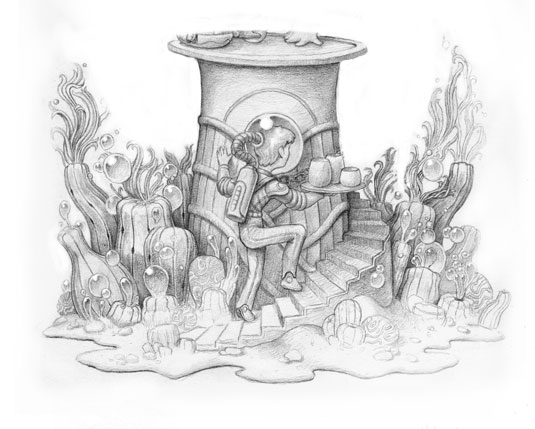
"I like symmetrical drawings, but they often expect boring all as well speedily," says Croes. "A good way to prevent this is to add some subtle changes and merely keep the general lines symmetrical instead of mirroring every small part. Keeping some elements asymmetrical helps to avert boring repetition."
10. Differentiate different textures
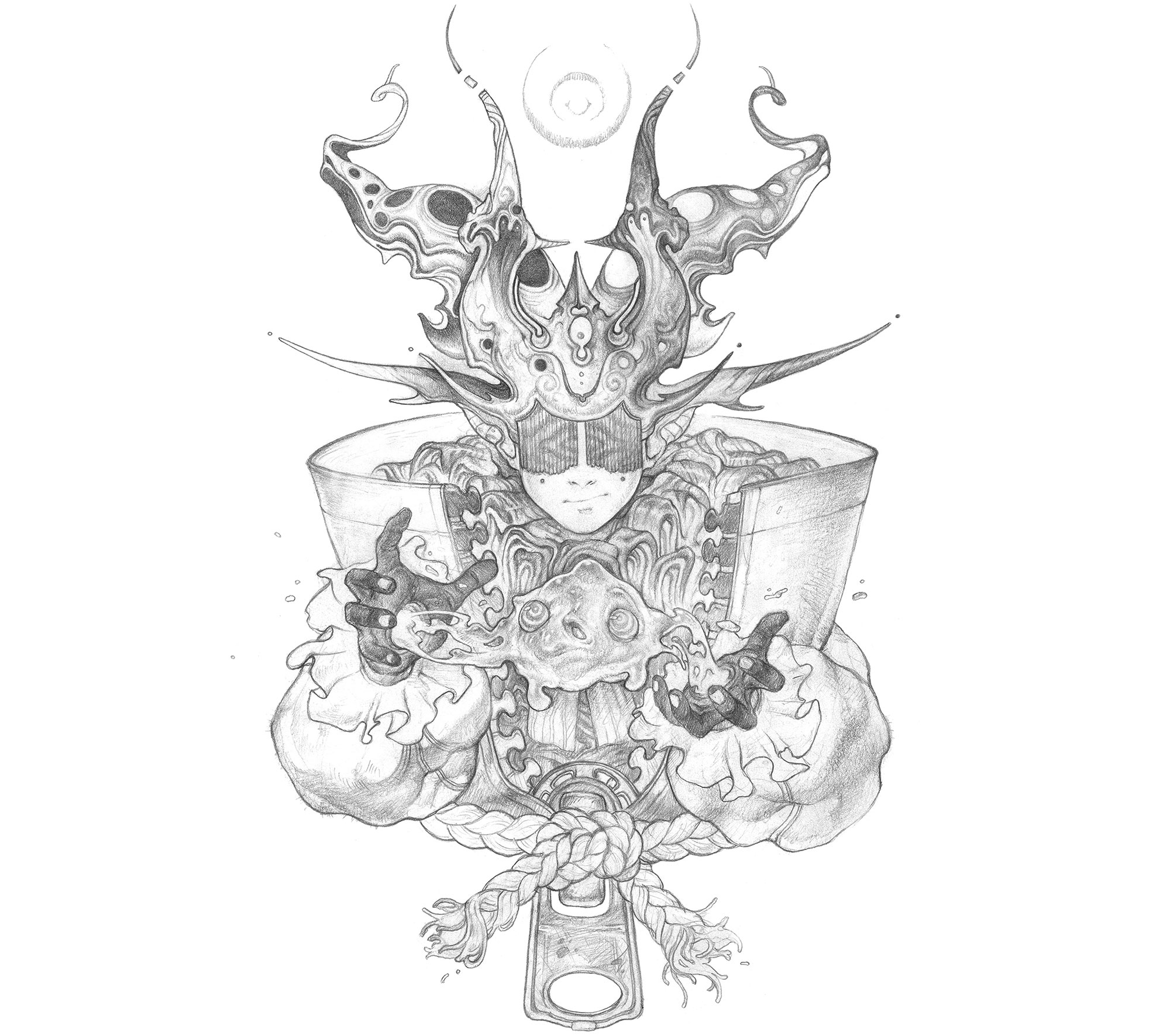
To bear witness different textures within your sketch, yous need to suit your technique. "Yous wouldn't desire to shade skin the aforementioned way you lot shade metallics or fur. They each have unique properties and capturing that will elevate your drawings because of the accuracy depicted," says Von Rueden.
A expert starting indicate is to consider if the texture is rough or smoothen, and and then if it absorb or reflects calorie-free. "A reflecting and smooth texture, such equally chrome, normally has college contrasts and prominent highlights, while an absorbing and rough texture similar cotton fiber has low contrasts and little to no highlight present," he continues.
Next folio: Advanced sketching tips to take your drawings to a new level

Kommentar veröffentlichen for "How to Use Crosshair in Art Sketch Techniques Beginners"